“Dr. Gagner is a true Professional and a fantastic Surgeon, and the support team that he has put together is World Class.”
The MONTREAL Experience · Now serving us patients
Bariatric surgery finishes what your GLP-1 started.
If GLP-1 medication got you part of the way towards your health and weight goals, surgery may be the right next step for you. Dr. Michel Gagner, who pioneered the sleeve gastrectomy, welcomes US patients at his Montreal clinic.
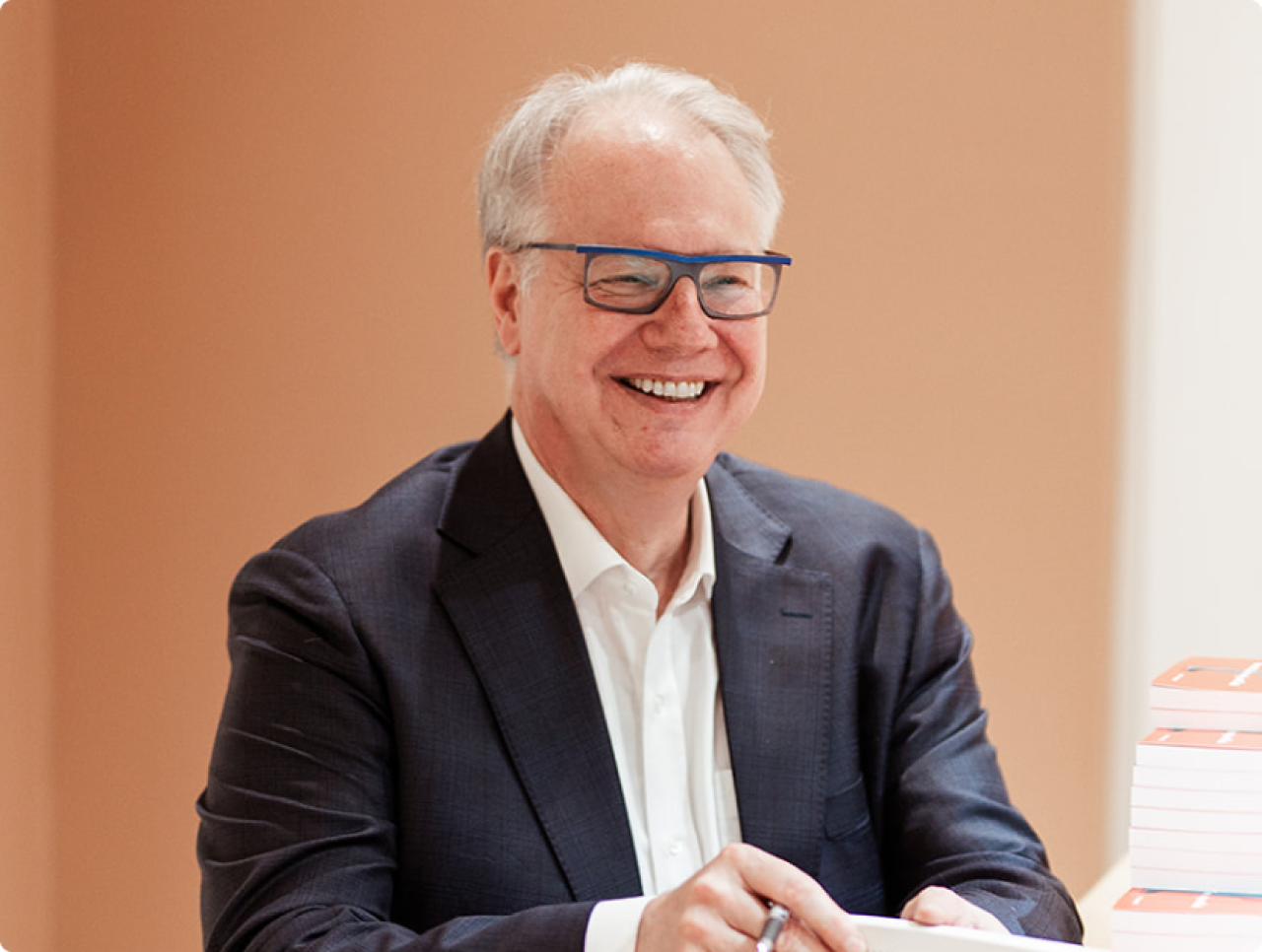
Dr. Michel Gagner is the inventor of the Gastric Sleeve and is recognized on the prestigious Stanford University Elsevier World's Top 2% Scientists List for 2024.
Long-Term Weight Loss
Build on your success.
Many patients who lose weight on GLP-1 medications use surgery to achieve additional health improvements.
If you've reached a plateau in your weight loss, minimally invasive procedures, like the gastric sleeve, offer a durable solution to help you reach your goals.
SEE IF YOU QUALIFY
Calculate Your BMI.
Enter your height and weight to see whether you may be a candidate, without going through the insurance process.
Calculate Your Body Mass Index
Your Height
cm
ft
in
Your Weight
kg
lb
Your Body Mass Index is
You may be a candidate for bariatric surgery at Clinique Michel Gagner.
THE MONTREAL EXPERIENCE
Choose how you travel.
Montreal is just a short flight away from New York City, Philadelphia, and Boston or a short drive from the border near Burlington, VT.
Essential
Included
- All clinical fees
- 2-night convalescence stay
- Pre-op and post-op consultations
- 12 months remote follow-up
- Nutrition program
- Ground transportation
Concierge
From $1,500*+ USD
- Everything in Essential
- Airport pickup and all ground transfers between the center and the airport
- Post-op liquid diet provided
- Private hotel room for companion
- Dedicated patient coordinator
- Insurance package in case of emergency after surgery
*Final tier pricing subject to hotel and travel rates, as well as consultation and surgical date availability.
We recommend a minimum stay of 4 nights, but you can customize your experience to whatever fits your schedule.
Transparent pricing
Judge our offerings for yourself
Procedure
CAD
Approx. USD
Gastric Sleeve
Most Popular
$18,000
~$12,900
Endoscopic Sleeve Gastroplasty (ESG)
Non-Surgical
$16,000
~$11,500
MagDI™ (magnetic duodeno-ileal bypass)
New
$14,500
~$10,400
Duodenal Switch
$23,500
~$16,900
Mini Gastric Bypass
$18,500
~$13,000
Roux-en-Y Gastric Bypass
$20,500
~$14,700
SADI-S
$21,500
~$15,500
Revision surgery
from $17,500
from ~$12,600
What's included
Surgeon and anesthesia fees
Surgical center recovery room
48-hour stay under clinic care
Pre-operative assessment
Post-op follow-up for 12 months
Nutrition guidance
Gastric Sleeve
Most Popular
$18,000 CAD
~$12,900 USD
Endoscopic Sleeve Gastroplasty (ESG)
Non-Surgical
$16,000 CAD
~$11,500 USD
MagDI™ (magnetic duodeno-ileal bypass)
New
$14,500 CAD
~$10,400 USD
Duodenal Switch
$23,500 CAD
~$16,900 USD
Mini Gastric Bypass
$18,500 CAD
~$13,000 USD
Roux-en-Y Gastric Bypass
$20,500 CAD
~$14,700 USD
SADI-S
$21,500 CAD
~$15,500 USD
Revision surgery
from $17,500 CAD
from ~$12,600 USD
What's included
Surgeon and anesthesia fees
Surgical center recovery room
48-hour stay under clinic care
Pre-operative assessment
Post-op follow-up for 12 months
Nutrition guidance
We have included + $1,000 CAD (about $700 USD) on all prices international patient administrative fee. USD figures are approximate and depend on the exchange rate on your payment date. HSA or FSA funds may be eligible; consult your plan administrator.

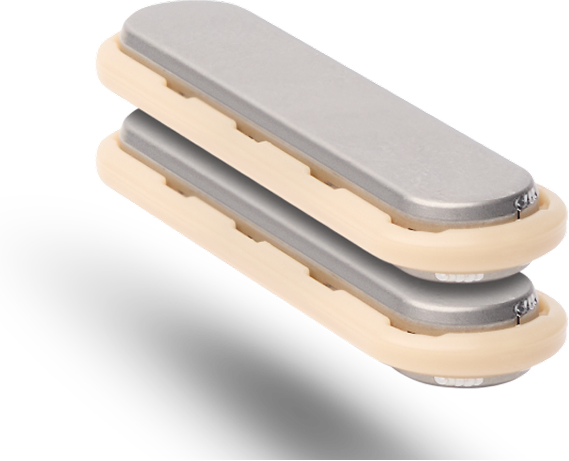
MagDI
A newer, less invasive next step.
If you are not ready for a larger operation, MagDI is worth knowing about. It is minimally invasive and uses magnets instead of staples or sutures. It is FDA-approved and standard at Clinique Michel Gagner.


What is The Montreal Experience?
From the first call to your surgery date.
Day 1
Arrive for your pre-op assessment.
Day 2
Surgery and overnight care in our convalescence center.
Based on the Gastric Sleeve surgery. Timeline varies depending on chosen procedure.
Day 3
Recovery check, discharge and meet for your follow-up plan
One year of remote follow-up with our team.

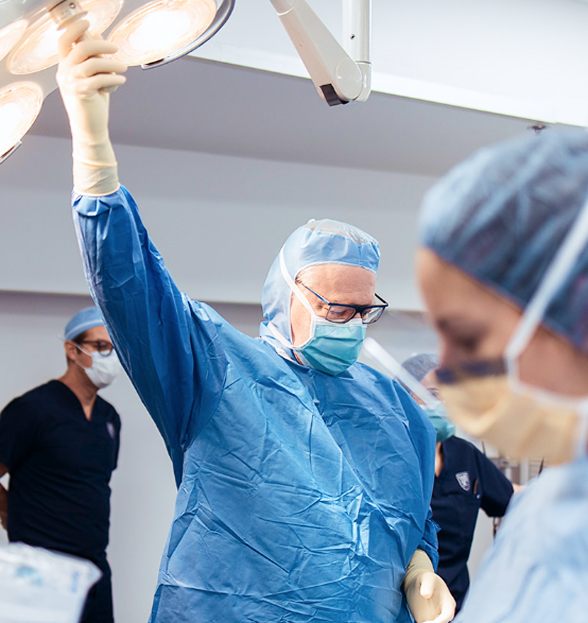
A worldwide leader in weight-loss.
MONTREAL, QUEBEC
Meet the chief of surgery
Dr. Michel Gagner
The surgeon behind techniques used worldwide now sees US patients directly. Dr. Gagner pioneered the sleeve gastrectomy and has taught surgeons in 48 countries.
- Trained thousands of surgeons in 48 countries, 60 institutions
- Pioneer of the gastric sleeve
- Recipient of France’s prestigious Marie Lannelongue International Medal
- Former Chief of Laparoscopic and Bariatric Surgery at Weill Cornell Medicine in New York City.
PATIENT STORIES
Why patients choose Montreal.
“An amazing doctor, clinic and team. Kind, thoughtful nurses and a recovery area as comfortable as a hotel. My recovery was perfect. Nothing but five stars.”
“I was in and out in two days and back to normal in three days...they have it all figured out to the very last detail. Do not hesitate. Painless, fast and a life changer.”
4.8
/ 5
average rating
RateMDs
Individual results vary. Testimonials reflect individual experiences and are not a guarantee of outcome.
FREQUENTLY ASKED QUESTIONS
Get answers before you travel.
Every care plan is personal. These are the practical details US patients ask most often.
Patients under the age of 16 may be accompanied by a parent or relative.
All patients are welcome to have visits at the recovery center, but only after their first post-operative night. Visiting hours are from 7 AM to 7 PM.
Most common medications such as those for high blood pressure, depression, hypothyroidism, cholesterol, acid reflux can be continued without problems.
If you are taking medication for diabetes, either insulin or oral medication, we ask that you follow up with your family doctor or endocrinologist, especially during the preoperative liquid diet. Doses may need to be readjusted during this stage.
On the morning of the surgery, the medications to be continued or omitted will be discussed during the preoperative interview with the nurse.
Reconstructive surgery can be considered only after weight stability (at least 2 years postoperatively). You can then contact the clinical coordinator to make a request.
The idea that carbohydrates can cause weight gain may be due to the fact that they have an effect on insulin. Insulin helps cells in the body uptake glucose (breakdown of carbohydrates) and use it for energy. White bread, chips, or cake which do not contain fiber and proteins cause blood sugar to rise quickly. Whereas, foods such as brown rice and legumes contain fiber and proteins, therefore, they cause a slower rise in blood sugar. When eaten in moderation and in accordance with Canada’s Food Guide ¼ of the plate, carbohydrates are an important component of a healthy diet. An example of 2 servings of carbohydrates to incorporate in a meal: 2 slices of whole grain bread, 1 cup sweet potato, or 2/3 cup brown rice. For a snack, 1 serving of carbohydrates could be 2/3 cup yogurt or 1 apple.
The overall dietary pattern of an individual is a much stronger determinant in causing diabetes rather than sugar. A diet containing all food groups is ideal for healthy weight loss and long term maintenance. Choose foods which contain added sugars less often. As a part of a healthy diet incorporate: vegetables, fruits, whole grains, and legumes.
When will I be able to return to work? Under normal conditions, patients are able to leave their recovery rooms and return home 48 hours after the surgery.
The time required before returning to work depends on the type of work. For desk work, return times are 1-2 weeks post-op. For physical work, return times are 2-6 weeks post-op.
How long will I be feeling pain? Patients are given intra-venous narcotics 24-48 hours post-op. If the pain continues, patients are prescribed oral analgesics for up to 1 week post-op.
The degree of weight loss largely depends on the type of surgery performed. The following is a range of expected Extra-Weight Loss (EWL) depending on the surgery:
Surgery > % EWL
Gastric Plication > 60-70
Sleeve Gastrectomy > 70-85
Gastric Bypass > 70-85
Duodenal Switch > 80-100
Patient results may differ. If patient weight loss targets are not met, revisions may be required.
If you live more than 2 hours away from our weight loss surgery clinic in Montreal, unless otherwise advised, we recommend that you stay in the region for a total of 5 days, including the 48-hour stay under our charge.
These diets are not sustainable in the long term. Instead, aim for a balanced plate at every meal by including color, pleasure and satiety:
1. Add color through vegetables
2. Promote satiety through protein-rich foods
3. Complement your plate with your favorite complex carbohydrates
asdasdas
Our Support Group is here for you. We welcome and accompany everyone about to undergo weight-loss surgery. Your questions and concerns have most likely been asked and answered in our support group. Moderated by our dietitians, nurses, and staff. We provide you with reliable patient education and resources to help you throughout this life-changing process. Let’s team up and trust us in this everlasting process.
A postoperative follow-up by phone with a nurse is scheduled 2 weeks after surgery. Telephone follow-ups with your surgeon are included and scheduled at 1, 3, 6 and 12 months post-op after your surgery when your blood test results are available. The clinical coordinator will email you the blood test requests for the 3 month, 6 month and 12 month follow-ups. It is recommended that you make an appointment with your family physician or specialist 2 weeks after surgery for a closer follow-up of your health problems and adjustment of medication if necessary. A telephone follow-up with your nutritionist is also planned for up to 3 months postoperatively.
The liquid/preoperative diet is a low-calorie diet prescribed by your bariatric surgeon. The ultimate goal of this diet is to make you lose weight before surgery in order to reduce the risk of complications and the overall recovery time. Generally speaking, the duration of this diet can vary from 1 to 4 weeks. The specifics of the liquid/preoperative diet will be communicated to you during the preoperative interview with your nutritionist.
The goals of this liquid diet
Decrease the size of the liver
Lose 5% - 10% of the excess weight before surgery
To begin making healthy lifestyle changes in order to improve surgical outcomes and increase long-term success rates
As the name implies, the "day before surgery" diet applies only to the day before the operation. The purpose of this diet is to avoid the presence of food residues in the stomach at the time of the surgery. The specifics of the "day before surgery" diet will be communicated to you during the preoperative interview with your nurse.
Go at your pace
Ready to see what comes next?
One consultation confirms your procedure, your tier and your final price.


Patient coordination
Get a personal quote.
Share a few details and we'll confirm your procedure, tier and complete price.

Confidential and handled with care