Get the Right Care
Your bariatric surgery specialists of choice
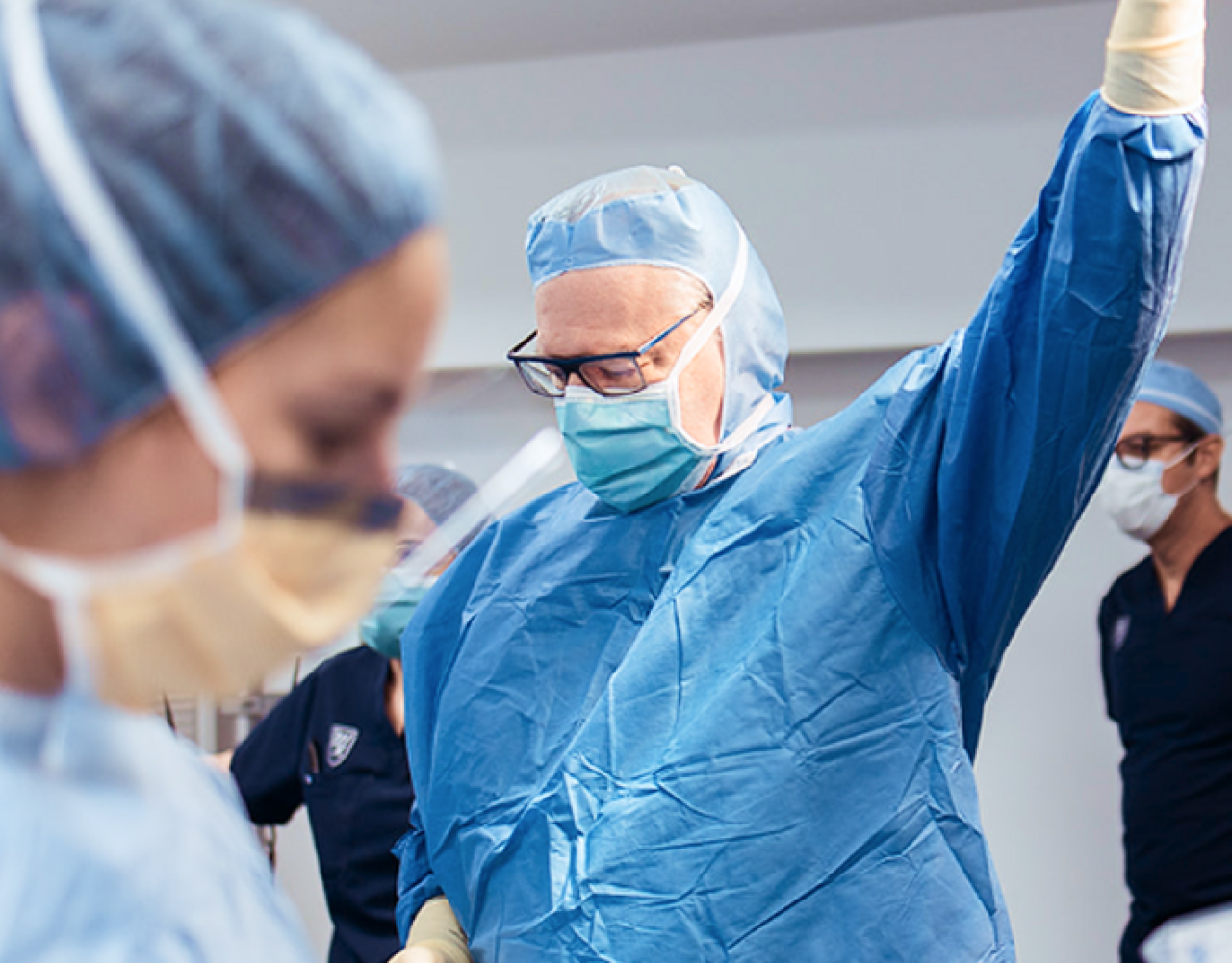
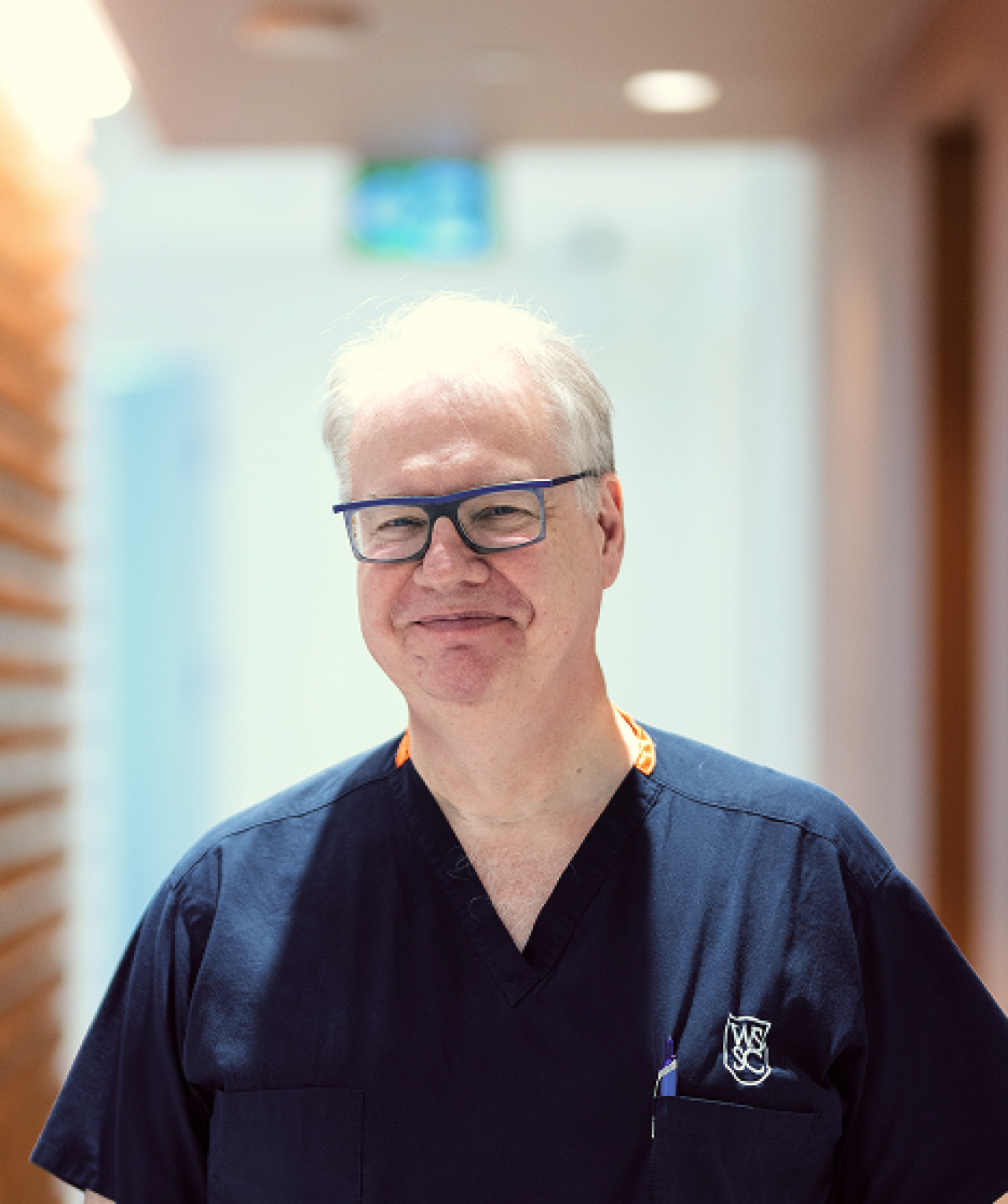
Dr. Michel Gagner heads our surgical talent as one of the world’s most preeminent experts in minimally invasive weight-loss surgery. Dr. Gagner pioneered the use of laparoscopic sleeve gastrectomy, also known as gastric sleeve surgery. And today, Clinique Michel Gagner is leading the way in magnetic surgery for weight loss. We are here to guide you through this life-changing process.
Dr. Michel Gagner laparoscopic sleeve gastrectomy pioneer
Now available in Canada
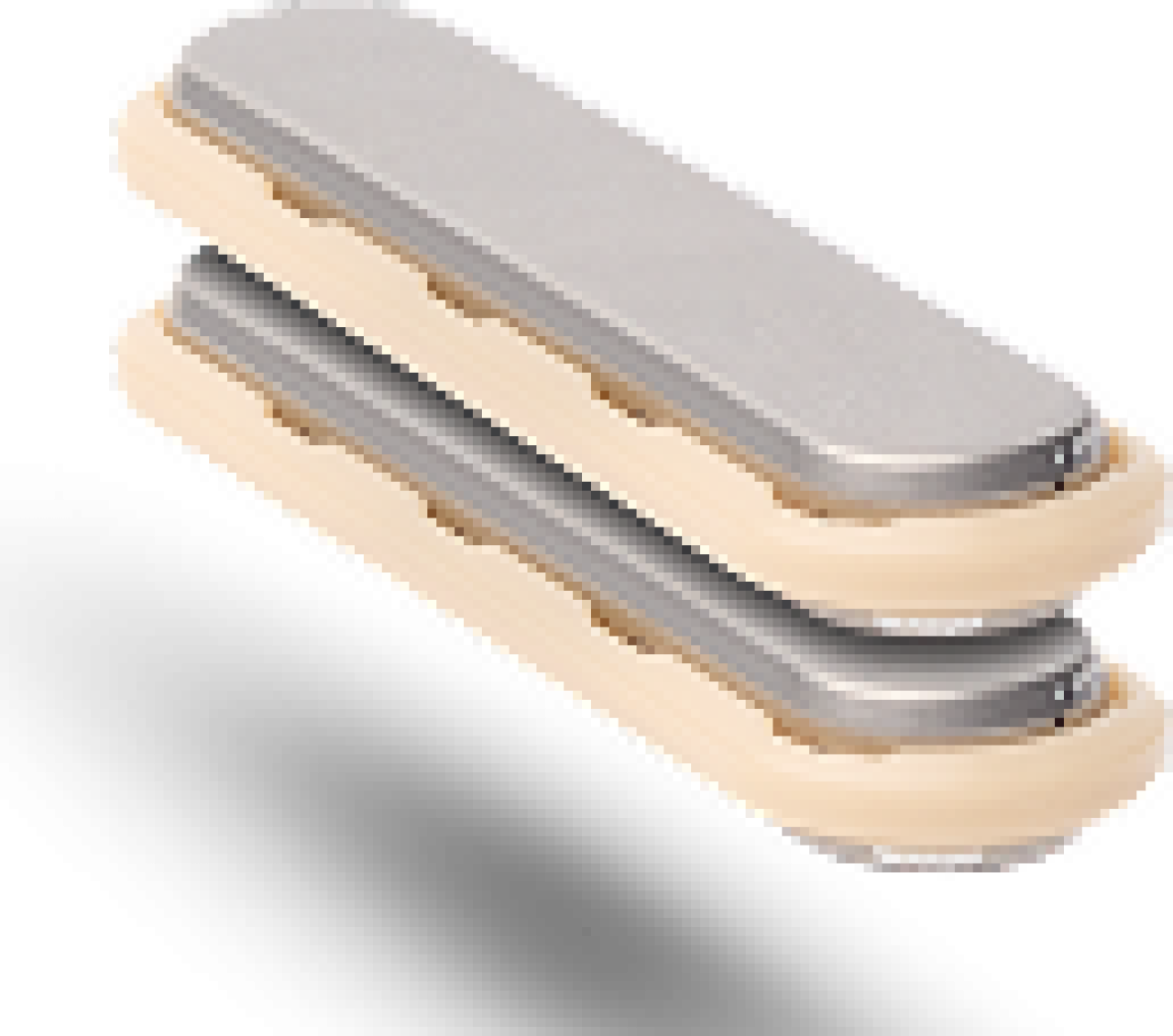
MagDI™ A new approach to bariatric surgery that uses magnets to create a connection without staples or numerous sutures.
Bariatric surgery is recommended for patients with severe chronic obesity, usually those with a BMI of 35 kg/m² or more (about 100 lb over normal weight). It may also be advised for patients with a lower BMI who have conditions such as hypertension, diabetes, asthma, or sleep apnea.
Clinique Michel Gagner specializes in bariatric surgery, and we also provide a suite of general surgery procedures. We believe our team of preeminent experts offer the best surgical outcome as pioneers in weight-loss surgery. Along with a multi-disciplinary support staff we build strong relationships and work with our patients to ensure an everlasting progressive treatment to obesity.
Magnetic duodenal ileostomy (MagDI™)
The MagDI is a less invasive procedure that creates a side to side connection, called an anastomosis, between the upper and lower small intestine, this connection is formed using a pair of magnets.
Laparoscopic Sleeve Gastrectomy
A laparoscopic sleeve gastrectomy is a less invasive surgery that reduces stomach volume with the remaining section left in the shape of a sleeve.
Roux-en-Y Gastric Bypass Surgery
A laparoscopic Roux-en-Y gastric bypass consists of creating a small pouch from the stomach (constraining food intake), which is connected directly to the small intestine.
Mini Gastric Bypass Surgery
A mini gastric bypass (MGB) provides the dual action of gastric reduction and intestinal malabsorption. The mini version of the gastric bypass involves less intestinal rerouting and a shorter overall surgery time.
Duodenal Switch
The end product of a duodenal switch is two intestinal limbs. It combines a sleeve gastrectomy with an intestinal bypass. It is most effective for Type 2 diabetes. However, nutrient absorption is limited within the lower intestines.
Single Anastomosis Duodeno-Ileostomy
A single anastomosis duodenal switch (SADI) reduces bowel movement frequency as well as produces fewer side effects and vitamin deficiencies.
Revisions Surgeries
With all the years of experience Dr. Gagner has accumulated, it is no wonder he is one of the world’s renowned experts in highly complex bariatric surgery revision procedures. Dr. Gagner can accommodate most patient cases. Once he has a chance to learn the peculiarities of a case, he can advise on the best course of action.
The MagDI is a less invasive procedure that creates a side to side connection, called an anastomosis, between the upper and lower small intestine, this connection is formed using a pair of magnets.
A laparoscopic sleeve gastrectomy is a less invasive surgery that reduces stomach volume with the remaining section left in the shape of a sleeve.
A laparoscopic Roux-en-Y gastric bypass consists of creating a small pouch from the stomach (constraining food intake), which is connected directly to the small intestine.
A mini gastric bypass (MGB) provides the dual action of gastric reduction and intestinal malabsorption. The mini version of the gastric bypass involves less intestinal rerouting and a shorter overall surgery time.
The end product of a duodenal switch is two intestinal limbs. It combines a sleeve gastrectomy with an intestinal bypass. It is most effective for Type 2 diabetes. However, nutrient absorption is limited within the lower intestines.
A single anastomosis duodenal switch (SADI) reduces bowel movement frequency as well as produces fewer side effects and vitamin deficiencies.
With all the years of experience Dr. Gagner has accumulated, it is no wonder he is one of the world’s renowned experts in highly complex bariatric surgery revision procedures. Dr. Gagner can accommodate most patient cases. Once he has a chance to learn the peculiarities of a case, he can advise on the best course of action.
In general, the recovery time is about 2 weeks. During this time, light physical activities such as walking, stationary bicycle and treadmill are strongly recommended. It is important to respect your limits, and to resume activities gradually according to your abilities and tolerance. If your work consists of office work, a 2-4 week break from work is expected. If your work is more physical, a 4–6-week break is then given.
Most common medications such as those for high blood pressure, depression, hypothyroidism, cholesterol, acid reflux can be continued without problems.
If you are taking medication for diabetes, either insulin or oral medication, we ask that you follow up with your family doctor or endocrinologist, especially during the preoperative liquid diet. Doses may need to be readjusted during this stage.
On the morning of the surgery, the medications to be continued or omitted will be discussed during the preoperative interview with the nurse.
How long will I be feeling pain? Patients are given intra-venous narcotics 24-48 hours post-op. If the pain continues, patients are prescribed oral analgesics for up to 1 week post-op.
If you live more than 2 hours away from Montreal, unless otherwise advised, we recommend that you stay in the region for a total of 5 days, including the 48-hour stay under our charge.