Get the Right Care
Community Involvement
Cosmetic Surgery After Weight Loss Surgery: What You Need to Know
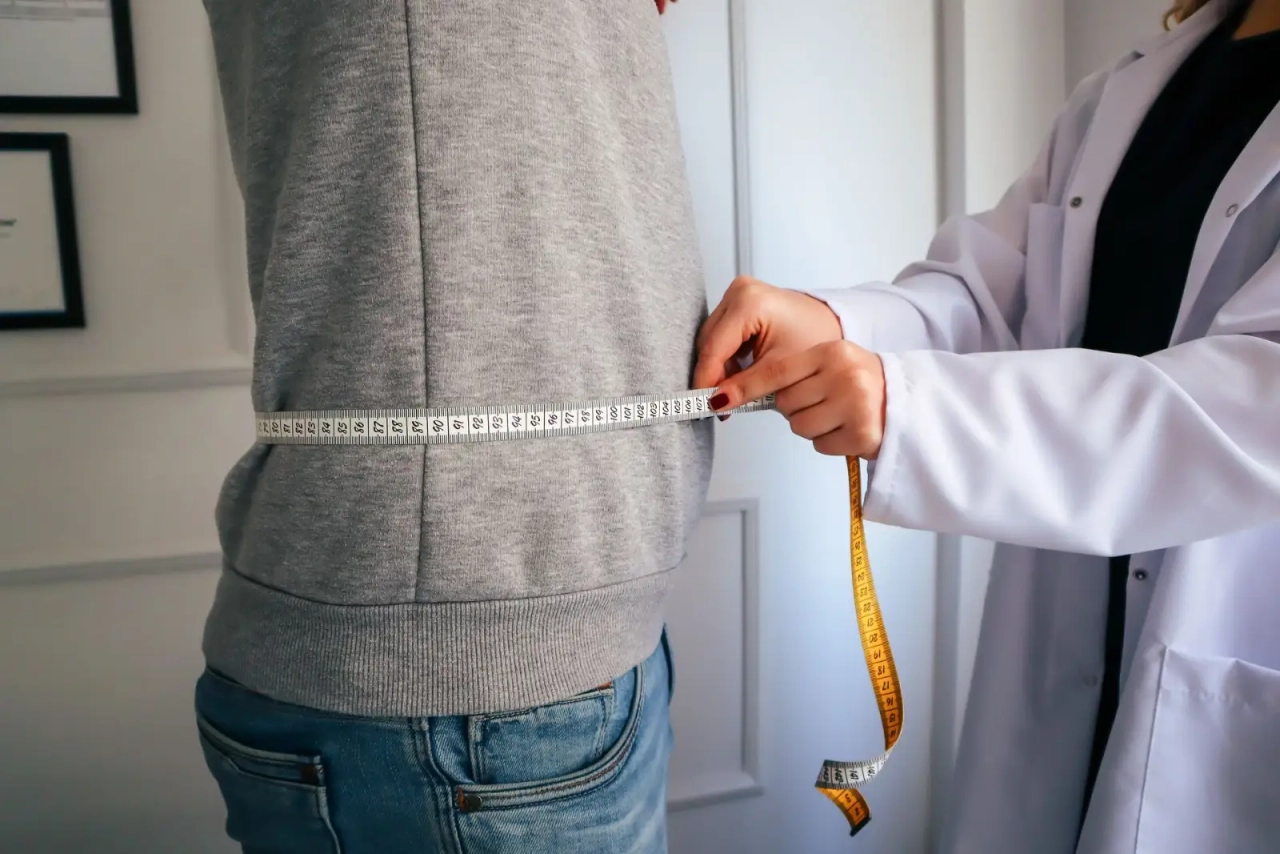
Significant weight loss after bariatric surgery changes the body in ways most people anticipate. Blood sugar improves. Joint pain eases. Movement becomes easier. What is less often discussed is what happens to the skin once the weight is gone.
For those who have lost significant weight in a relatively short time frame, the skin does not always retract. In many cases, it cannot. Long-term stretching alters collagen and elastin structure, limiting the skin’s ability to tighten on its own (Kitzinger et al., 2013). Excess skin commonly remains along the abdomen, arms, thighs, chest, and lower back. This can lead to physical discomfort, hygiene difficulties, recurrent skin irritation, and restrictions on physical activity (Cleveland Clinic, n.d.).
Cosmetic surgery after weight loss surgery to remove excess skin can help address these issues, but it is not routine for everyone, and it is not an automatic next step. It is a separate decision that requires the right timing and realistic expectations.
After a substantial amount of weight loss, sagging skin and loose skin often remain because skin elasticity cannot recover. Multiple studies show that post-bariatric body contouring surgery is associated with improvements in physical comfort, mobility, and quality of life (van der Beek et al., 2010; Modarressi et al., 2024).
Common body contouring procedures include abdominal surgery such as a tummy tuck, which removes loose skin from the lower abdomen and may involve repositioning the belly button and addressing the pubic area. When excess skin extends around the waist and lower back, a lower body lift may be discussed. Breast reshaping, including a breast lift, is often considered when major weight loss leads to deflation rather than excess volume. Procedures targeting the upper arm address hanging skin that interferes with clothing and activity. Some plastic surgeons may recommend a combined procedure, though combining operations increases potential risks and surgical complications and must be approached cautiously.
Surgical techniques vary, and other procedures may be staged rather than commonly combined to reduce risk. Excess skin removal is not about changing weight again. It is about addressing the physical effects of major weight loss so patients can move forward with improved comfort and self confidence.
Most patients are advised to wait until weight has stabilized before considering excess skin removal. In clinical practice, this generally means 12 to 18 months after bariatric surgery, once rapid weight loss has slowed and nutritional intake has normalized (Cleveland Clinic, n.d.).
Operating before weight stabilization increases surgical risk. Continued weight loss can compromise results, and unresolved protein or micronutrient deficiencies are associated with higher rates of wound-healing complications (Kitzinger et al., 2013). Stabilization is therefore a safety consideration, not merely an aesthetic one.
Excess skin resulting from massive weight loss can only be removed surgically.
These are major operations. Complication rates are higher than those seen in cosmetic surgery for patients without a history of massive weight loss, particularly when nutritional deficiencies or smoking are present (Kitzinger et al., 2013).
This question deserves a clear answer. There is no non-surgical method that removes significant excess skin after massive weight loss (Cleveland Clinic, n.d.).
Sustained diet and exercise can improve muscle tone and posture, which may enhance overall appearance. It does not eliminate excess skin. Topical products and noninvasive skin-tightening technologies may produce modest, temporary changes in skin texture but do not address the underlying excess tissue. For individuals with substantial skin laxity, these approaches rarely produce meaningful results.
Recovery depends on the extent and number of procedures performed. For most patients, four to six weeks of restricted activity is typical, with limitations on lifting and strenuous movement (Cleveland Clinic, n.d.). Swelling, fatigue, and discomfort may persist beyond this period, especially after larger contouring surgeries.
Many patients return to sedentary work within a few weeks, while physically demanding jobs often require a longer recovery period. Final results continue to evolve over several months as swelling resolves and scars mature.
Despite the recovery demands, long-term studies suggest that quality-of-life improvements following body contouring surgery tend to persist, particularly when surgery addresses functional concerns rather than appearance alone (van der Beek et al., 2010).
Excess skin can continue to affect body image even after successful weight loss. Research indicates that body contouring surgery may lead to improvements in psychological well-being and body satisfaction for some patients, though outcomes vary (Sarwer et al., 2023).
Surgery can improve how the body feels and functions. It does not resolve all emotional challenges related to weight history, identity, or self-image. Expectations should remain grounded in function and comfort rather than perfection.
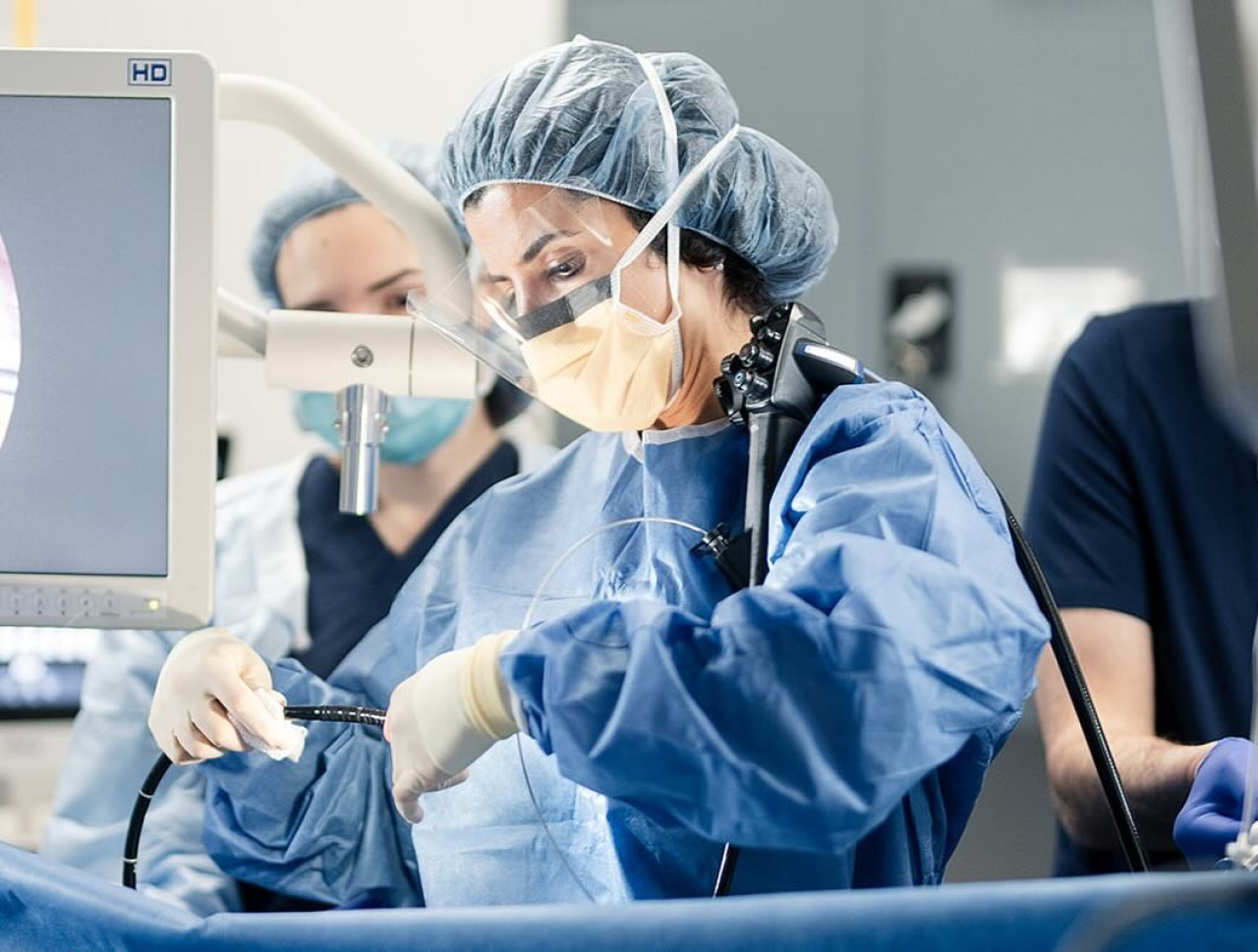
When patients come to us for bariatric surgery, the focus is understandably on the operation itself, but our discussions extend beyond the procedure. We talk openly about what follows significant weight loss, including how the body adapts over time, how nutritional needs evolve, and what long-term follow-up involves. These considerations are part of surgical planning, whether a patient is exploring a procedure such as a mini gastric bypass or another surgical option.
While medical eligibility remains the primary consideration, access to structured financing can make the timing and logistics of care more manageable. For that reason, financing options are discussed early, alongside clinical assessment and preparation. For those who wish to explore these options, guidance is available to help identify an approach that aligns with individual circumstances.
At Clinique Michel Gagner, our surgeons and the rest of our team approach bariatric surgery as the starting point of a longer process. Contact us to book a consultation; we can help you understand surgical approaches, expectations, and practical considerations in detail, so you can decide whether surgery is the right tool for you at this stage.
Neel, O. F., Algaidi, Y., Alsubhi, M. N., Al-Terkawi, R. A., Salem, A., Mortada, H., & Alqahtani, A. (2024). Impact of body-contouring surgery post bariatric surgery on patient well-being, quality of life, and body image: A Saudi Arabia–based cross-sectional study. Plastic and Reconstructive Surgery Global Open, 12(3), e5666.
https://pmc.ncbi.nlm.nih.gov/articles/PMC10950165/
Cabbabe, S. W. (2016). Plastic surgery after massive weight loss. Missouri Medicine, 113(3), 202–206. https://pmc.ncbi.nlm.nih.gov/articles/PMC6140063/
Handal, M., Handal, J., Nevill, T., Finkelstein, P., & Kichler, K. (2024). Cosmetic procedures after massive weight loss surgery: A guide for prospective patients. Cureus, 16(11), e72864. https://doi.org/10.7759/cureus.72864
https://pmc.ncbi.nlm.nih.gov/articles/PMC11611412/
Aldaqal, S. M., Makhdoum, A. M., Turki, A. M., Awan, B. A., Samargandi, O. A., & Jamjom, H. (2013). Post-bariatric surgery satisfaction and body-contouring consideration after massive weight loss. North American Journal of Medical Sciences, 5(4), 301–305. https://pmc.ncbi.nlm.nih.gov/articles/PMC3662098/
Cleveland Clinic. (n.d.). Excess skin removal after weight loss. https://my.clevelandclinic.org/health/treatments/22017-excess-skin-removal