Get the Right Care
Community Involvement
Endoscopy, Explained
A recent Chinese study published in Gastroenterology examined how screening endoscopy affects cancer outcomes. It found that undergoing a single endoscopic screening, in patients aged 40-69 years old, reduced upper gastrointestinal (GI) cancer mortality by 43% amongst high-risk individuals and and 35% amongst low-risk individuals within a span of 7.5 years. (Gastroenterology, 2024).
These results echo what clinicians have long observed in practice: endoscopy is one of medicine’s most versatile diagnostic tools. It allows physicians to see disease directly, often at a stage when treatment is simpler and outcomes from intervention are better. Yet many people still arrive uncertain about what it involves,how it feels, how long it takes, or what happens afterward.
At Clinique Michel Gagner, endoscopic care is a daily part of patient work and long-term health management. This post aims to explain what endoscopy entails for patients.
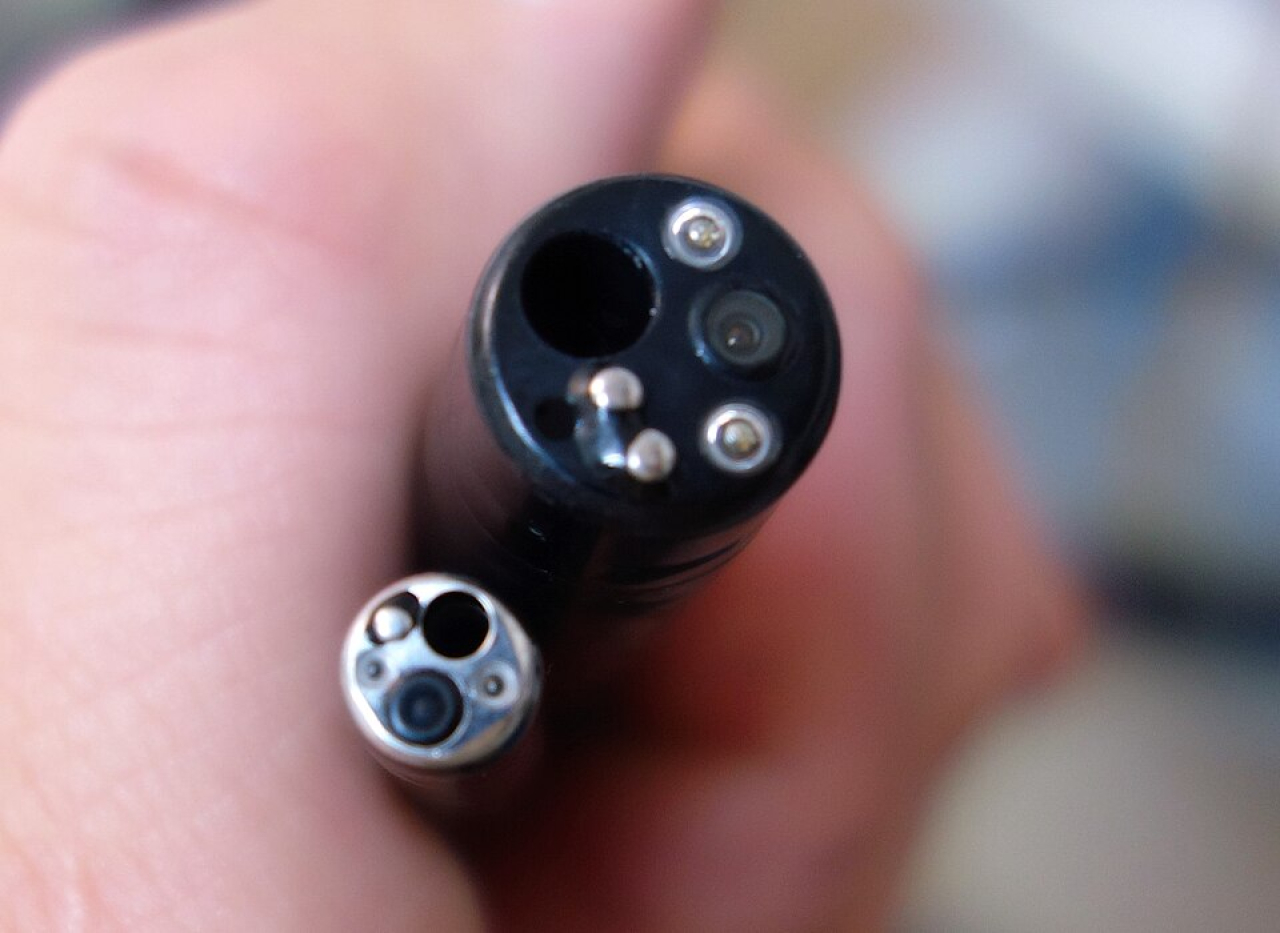
Endoscopy is a medical procedure that allows doctors to examine the inside of the digestive tract using a flexible tube with a camera and light at the tip. It is most often used to study the upper digestive tract: the esophagus, stomach, and upper part of the small intestine. The exam is known as an upper endoscopy or upper GI endoscopy.
This test helps identify the causes of difficulty swallowing, chronic acid reflux, unexplained abdominal pain, or digestive tract bleeding. It can also detect precancerous abnormalities or confirm conditions such as celiac disease. In certain cases, it allows the physician to treat conditions on the spot, removing small growths or stopping bleeding without surgery.
At Clinique Michel Gagner, endoscopy also supports other treatments such as Endoscopic Sleeve Gastroplasty. This use of endoscopic tools is just one example of how diagnostic procedures have become less invasive, more precise, and quicker to recover from.
Before the endoscopy procedure, patients are asked not to eat or drink for several hours. Some patients may be permitted to drink clear liquids earlier in the day. Small amounts of fluids given before an endoscopy contain medications that reduce stomach acid or help with relaxation. These measures ensure that the upper digestive system is free of food and easy to visualize during the exam.
The care team will review your medical history first, especially if you have digestive and kidney diseases or other chronic issues that may affect sedation or recovery.
When the procedure begins, an IV line is started for medication, and a plastic mouth guard is placed to protect the teeth and the instrument. Most patients receive medication that helps them fall asleep lightly or rest in a relaxed, drowsy state. Some require general anesthesia, depending on the case.
The physician then guides the scope gently through the mouth and into the upper GI tract: the esophagus, stomach, and small intestine. The camera sends live images to a monitor, allowing the doctor to look for ulcers, irritation, bleeding, or other changes in the wall of the upper GI tract. If necessary, small tissue samples can be taken for analysis.
This is a common patient question. Endoscopy shouldn’t hurt. Sedation keeps you relaxed, and you won’t feel the scope as it moves.
Afterward, a mild sore throat or short-lived bloating is common but usually passes within a few hours.
The procedure usually lasts 15 to 45 minutes. When preparation, sedation, and observation time are included, patients can expect to be at the clinic for roughly two to three hours from arrival to discharge.
During recovery, patients rest while the sedation fades. You may feel groggy so you should plan to have someone drive you home.
Once you’re swallowing comfortably, you can start drinking again. Begin with clear liquids before moving to soft foods. Most people eat solid food later the same day.
If a tissue sample was taken during the endoscopy or another treatment was performed, your doctor may suggest waiting a little longer before eating solid food.
Sedation levels vary. Many patients receive medication that causes throat numbing, deep relaxation or light sleep. The choice depends on the reason for the exam, your health, and your comfort level. Whatever the approach, you’ll be monitored continuously.
Temporary bloating or a mild sore throat is typical, however, they pass quickly. More serious problems, such as abdominal pain, fever, or vomiting, are uncommon and should be reported immediately.
Endoscopy remains one of the safest ways to diagnose diseases in the digestive system. The ability to see and sometimes treat a problem during the same appointment gives it an advantage over imaging or laboratory tests alone. It can shorten the path to a diagnosis and, in some cases, prevent a larger operation later. It gives our surgeons a direct view of the body’s internal structure and may help patients understand what is causing their symptoms.
For someone who has lived with reflux, pain, or unexplained discomfort, this procedure often marks the turning point in quality of life if an underlying cause is identified and treated.
At Clinique Michel Gagner, our aim is to give you clear information, steady guidance, and the confidence to move forward with treatment if it is needed. If you have been advised to have an endoscopy, or if you’ve been considering one, speak with a member of our team, ask your questions, and decide in your own time.
Good health starts with understanding what’s happening inside your body. Endoscopy helps provide that understanding.
We know that cost can influence decisions about care. If you’re concerned about affordability, speak with our administrative team. They can outline financing and payment options suited to your situation.
No one should delay a needed procedure because of financial stress. Contact us to discuss your circumstances or to book a consultation. You can get started today.
Cai, Q., et al. (2024). Effect of endoscopy screening on upper gastrointestinal cancer mortality. Gastroenterology, 167(5), 1203–1215. https://www.gastrojournal.org/article/S0016-5085%2824%2905789-5/fulltext
Canadian Cancer Society. (2024). Endoscopy. https://cancer.ca/en/treatments/tests-and-procedures/endoscopy
Cleveland Clinic. (2024). Endoscopy. https://my.clevelandclinic.org/health/diagnostics/25126-endoscopy
Mayo Clinic. (2024). Endoscopy. https://www.mayoclinic.org/tests-procedures/endoscopy/about/pac-20395197
National Health Service (NHS). (2024). Endoscopy. https://www.nhs.uk/tests-and-treatments/endoscopy/